They’re doing one for Teddy Roosevelt in North Dakota. It’s the first thing I’ve seen that could make me step foot there.
 M
M
Mik
@Mik
Posts
-
Obama Monument..er..I mean..library -
"Leave Me Breathless...." -
Father's Day -
"Leave Me Breathless...."I saw him in the late 80s and was worried about him then. It was a very warm night and he took a very long break during a song.
-
Obama Monument..er..I mean..library -
MLB religious freedomStupidity. Continuing to try to jam woke down people’s throat is why Trump is president today.
-
Starmer to resign Monday -
Obama Monument..er..I mean..library -
Tornados for Mik? -
The Dark or Inappropriate Humor Thread -
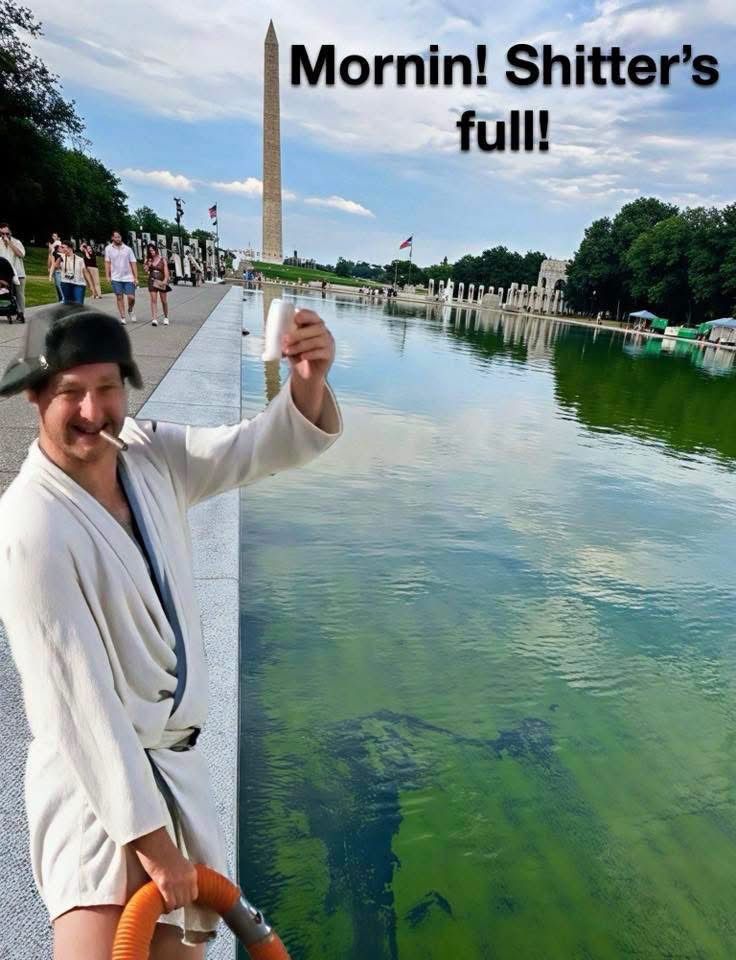
The Reflecting Pool -
I was intentionally hit by a car today -
Klaus has outsourced his forum stamina -
Denise Amber Lee murderDenise was the DIL of. Beloved forum member. We all kind of lived through this with them in 2008. Last year the murderer was executed.
-
I was intentionally hit by a car today -
Denise Amber Lee murder -
Nothing Says Eternal Love Like a Budget Summit -
Putin still has some fangs -
Where do our exercisers work out and what do you do? -
The Dark or Inappropriate Humor Thread