Rob Reiner dead???
-
Trump's comments are vile. I'd like to see how MAGA defends this. It's impossible.
This will come back in November 2026.
-
God, what a fucking harpy.
-
You'd also have to imagine, if it was a calculation, what sort of person he is and what kind of emotions he actually has, behind the calculated persona. Care to give that one a shot?
@Horace said in Rob Reiner dead???:
You'd also have to imagine, if it was a calculation, what sort of person he is and what kind of emotions he actually has, behind the calculated persona. Care to give that one a shot?
Sure. The kind of asshat that tries to sue a widow out of her house to expand his casino? The kind of asshat that routinely doesn’t pay contractors and defaults because on average he still winds up ahead even when he eventually pays off?
-
You hear it all the time… He’s not the over the top buffoon in private. I’ll point back to Bill Maher and his dinner with Trump as just one example. It serves his interests to be over the top so he is.
The Brad
-
-
You hear it all the time… He’s not the over the top buffoon in private. I’ll point back to Bill Maher and his dinner with Trump as just one example. It serves his interests to be over the top so he is.
@LuFins-Dad said in Rob Reiner dead???:
You hear it all the time… He’s not the over the top buffoon in private. I’ll point back to Bill Maher and his dinner with Trump as just one example. It serves his interests to be over the top so he is.
It's just as simple an answer that he can act cordial one-on-one when it serves him to. Anyway the "reality" of a person is a nebulous and near meaningless concept, a story we tell ourselves. Whatever someone is, is what they do. Not in just certain situations, but in all situations, in aggregate. It's complicated.
Education is extremely important.
-
I will find it hard to vote for anyone who is full on Trump. That said, if the presidential election were today I'd still pick him over Harris. It's not like we didn't know what a boor he is.
@Mik said in Rob Reiner dead???:
I will find it hard to vote for anyone who is full on Trump. That said, if the presidential election were today I'd still pick him over Harris. It's not like we didn't know what a boor he is.
You answered your own scenario. Not saying you’re wrong but many people put macro policy over vile morality and incessant dishonesty. Which is how he gets elected.
-
@LuFins-Dad said in Rob Reiner dead???:
You hear it all the time… He’s not the over the top buffoon in private. I’ll point back to Bill Maher and his dinner with Trump as just one example. It serves his interests to be over the top so he is.
It's just as simple an answer that he can act cordial one-on-one when it serves him to. Anyway the "reality" of a person is a nebulous and near meaningless concept, a story we tell ourselves. Whatever someone is, is what they do. Not in just certain situations, but in all situations, in aggregate. It's complicated.
@Horace said in Rob Reiner dead???:
@LuFins-Dad said in Rob Reiner dead???:
You hear it all the time… He’s not the over the top buffoon in private. I’ll point back to Bill Maher and his dinner with Trump as just one example. It serves his interests to be over the top so he is.
It's just as simple an answer that he can act cordial one-on-one when it serves him to. Anyway the "reality" of a person is a nebulous and near meaningless concept, a story we tell ourselves. Whatever someone is, is what they do. Not in just certain situations, but in all situations, in aggregate. It's complicated.
I choose to believe that if he were truly that cartoonish and boorish of a person that he portrays, that he would have failed magnificently at life and would have been a footnote in history about the worst excesses of the 80s and 90s.
-
The claim that he gives a fuck about healthcare costs is pretty funny.
-
From a different era..,
In December 1963, Jacqueline Kennedy walked out of the White House for what she believed would be the last time.
Two weeks earlier, her husband had been assassinated beside her in Dallas. Her pink suit was still stained with his blood when she boarded Air Force One. Her children—Caroline, nearly six, and John Jr., just shy of his third birthday—had lost their father.
She vowed never to return. Every hallway of that house held memories she couldn't bear to face.
Jackie rebuilt her life in New York. She remarried in 1968, seeking protection from the relentless spotlight. She avoided Washington entirely. When the White House Historical Association—the organization she had founded—commissioned official portraits of herself and President Kennedy, she faced an impossible choice.
Tradition required her to attend the public unveiling ceremony. Stand in the East Room. Face the cameras. Let the world watch her grieve again.
She couldn't do it.
So Jackie did something remarkable. She wrote a handwritten letter to First Lady Pat Nixon, asking if she and her children could "slip in unobtrusively" to see the portraits privately, without press or fanfare.
The request was unprecedented. The Nixons and Kennedys had been bitter political rivals. Richard Nixon had lost to John Kennedy in one of the closest elections in American history. He had spent years convinced the race was stolen from him. The animosity between the two men had been real.
But Pat Nixon's answer was immediate: Yes.
And then she did far more than simply agree.
On February 3, 1971—two days before the public ceremony—President Nixon sent a military jet to New York. After Caroline and John Jr. finished school that day, they boarded a plane at the airport named for their father and flew to Washington.
Only six people knew about the visit: The President, Mrs. Nixon, their daughters Tricia and Julie, and two trusted staff members. No photographers. No reporters. No announcement.
The Nixons greeted the Kennedy family at 5:30 that afternoon. They led them to the portraits—President Kennedy's hanging in the Green Room, Jackie's outside the Diplomatic Reception Room. Then Pat Nixon stepped back, giving the family privacy to experience this moment alone.
What must Jackie have felt, seeing her husband's face rendered in oils? The portrait showed him looking downward, eyes hidden, lost in thought. It was haunting and melancholy—nothing like the vigorous campaign posters. When Jackie had first seen it, she approved immediately. It felt true.
Pat Nixon personally led the tour. She showed Jackie the Jacqueline Kennedy Garden—dedicated in her honor, but which she had never seen. They walked through the state rooms, then upstairs to the private residence where the Kennedy children had once lived.
For Caroline, now thirteen, and John Jr., ten, it was a journey into their own half-remembered past. They had been so young when they lived here. John was just three days shy of his third birthday when they left. Now they could see their childhood home through older eyes.
The Nixon family dogs gave them an enthusiastic welcome. Both families shared an intimate dinner together in the private quarters—two political dynasties from opposing parties, breaking bread in the house where both had lived.
After dinner, President Nixon himself led the Kennedy children through the West Wing and into the Oval Office—the room where their father had worked, where he had faced the Cuban Missile Crisis, where he had made decisions that shaped the world.
Then it was over. The Kennedys flew home to New York. The entire visit lasted just a few hours. True to their word, the Nixons took no photographs and told no one.
The next day, Jackie wrote to Pat Nixon:
"Thank you with all my heart. A day I always dreaded turned out to be one of the most precious ones I have spent with my children."
John Jr., with the earnestness of a ten-year-old, wrote: "I can never thank you more for showing us the White House. I really liked everything about it."
Jackie never returned to the White House again. Despite living another twenty-three years, that February evening remained her only visit after 1963. Whatever peace it brought her was apparently enough.
Nixon gained nothing politically from this gesture. No photographs were taken. No press release was issued. The public didn't know about it at the time. He did it simply because it was the right thing to do.
In a world that often tells us political opponents cannot show each other basic human kindness, this story stands as quiet proof otherwise.
A Republican president and his wife. A Democratic widow and her children. A house that belonged to both of them, and to all of us.
Sometimes the most powerful thing we can offer another person isn't agreement or alliance. It's simply grace when they need it most.
That's what happened in February 1971.
And it's what's still possible today—whenever we choose compassion over grievance, and humanity over politics. -
From a different era..,
In December 1963, Jacqueline Kennedy walked out of the White House for what she believed would be the last time.
Two weeks earlier, her husband had been assassinated beside her in Dallas. Her pink suit was still stained with his blood when she boarded Air Force One. Her children—Caroline, nearly six, and John Jr., just shy of his third birthday—had lost their father.
She vowed never to return. Every hallway of that house held memories she couldn't bear to face.
Jackie rebuilt her life in New York. She remarried in 1968, seeking protection from the relentless spotlight. She avoided Washington entirely. When the White House Historical Association—the organization she had founded—commissioned official portraits of herself and President Kennedy, she faced an impossible choice.
Tradition required her to attend the public unveiling ceremony. Stand in the East Room. Face the cameras. Let the world watch her grieve again.
She couldn't do it.
So Jackie did something remarkable. She wrote a handwritten letter to First Lady Pat Nixon, asking if she and her children could "slip in unobtrusively" to see the portraits privately, without press or fanfare.
The request was unprecedented. The Nixons and Kennedys had been bitter political rivals. Richard Nixon had lost to John Kennedy in one of the closest elections in American history. He had spent years convinced the race was stolen from him. The animosity between the two men had been real.
But Pat Nixon's answer was immediate: Yes.
And then she did far more than simply agree.
On February 3, 1971—two days before the public ceremony—President Nixon sent a military jet to New York. After Caroline and John Jr. finished school that day, they boarded a plane at the airport named for their father and flew to Washington.
Only six people knew about the visit: The President, Mrs. Nixon, their daughters Tricia and Julie, and two trusted staff members. No photographers. No reporters. No announcement.
The Nixons greeted the Kennedy family at 5:30 that afternoon. They led them to the portraits—President Kennedy's hanging in the Green Room, Jackie's outside the Diplomatic Reception Room. Then Pat Nixon stepped back, giving the family privacy to experience this moment alone.
What must Jackie have felt, seeing her husband's face rendered in oils? The portrait showed him looking downward, eyes hidden, lost in thought. It was haunting and melancholy—nothing like the vigorous campaign posters. When Jackie had first seen it, she approved immediately. It felt true.
Pat Nixon personally led the tour. She showed Jackie the Jacqueline Kennedy Garden—dedicated in her honor, but which she had never seen. They walked through the state rooms, then upstairs to the private residence where the Kennedy children had once lived.
For Caroline, now thirteen, and John Jr., ten, it was a journey into their own half-remembered past. They had been so young when they lived here. John was just three days shy of his third birthday when they left. Now they could see their childhood home through older eyes.
The Nixon family dogs gave them an enthusiastic welcome. Both families shared an intimate dinner together in the private quarters—two political dynasties from opposing parties, breaking bread in the house where both had lived.
After dinner, President Nixon himself led the Kennedy children through the West Wing and into the Oval Office—the room where their father had worked, where he had faced the Cuban Missile Crisis, where he had made decisions that shaped the world.
Then it was over. The Kennedys flew home to New York. The entire visit lasted just a few hours. True to their word, the Nixons took no photographs and told no one.
The next day, Jackie wrote to Pat Nixon:
"Thank you with all my heart. A day I always dreaded turned out to be one of the most precious ones I have spent with my children."
John Jr., with the earnestness of a ten-year-old, wrote: "I can never thank you more for showing us the White House. I really liked everything about it."
Jackie never returned to the White House again. Despite living another twenty-three years, that February evening remained her only visit after 1963. Whatever peace it brought her was apparently enough.
Nixon gained nothing politically from this gesture. No photographs were taken. No press release was issued. The public didn't know about it at the time. He did it simply because it was the right thing to do.
In a world that often tells us political opponents cannot show each other basic human kindness, this story stands as quiet proof otherwise.
A Republican president and his wife. A Democratic widow and her children. A house that belonged to both of them, and to all of us.
Sometimes the most powerful thing we can offer another person isn't agreement or alliance. It's simply grace when they need it most.
That's what happened in February 1971.
And it's what's still possible today—whenever we choose compassion over grievance, and humanity over politics.@kluurs said in Rob Reiner dead???:
From a different era..,
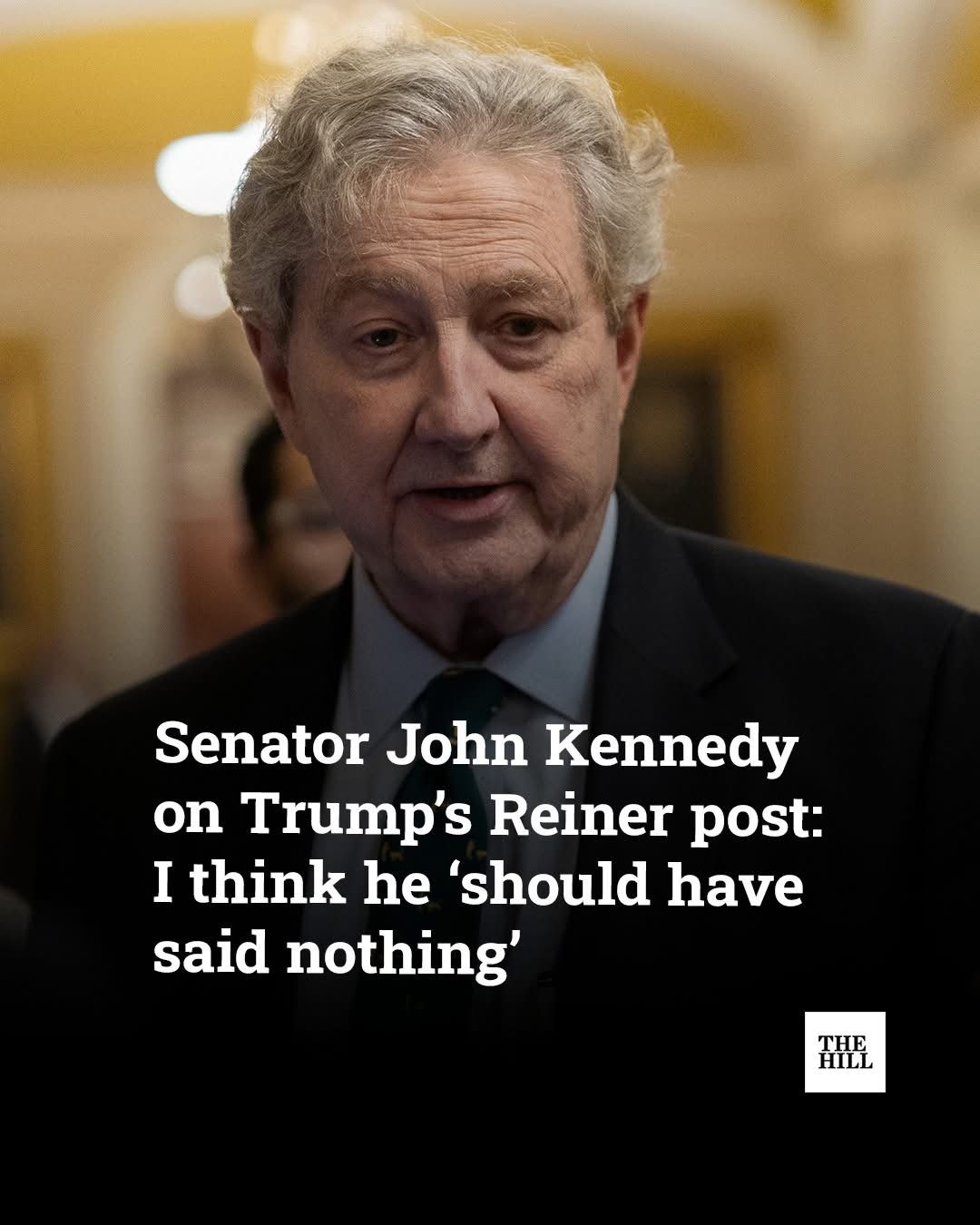
Yes, it was a different era, but most people, normal people, aren't like Donald Trump. Normal liberals were appalled when Charlie Kirk was murdered, normal conservatives wouldn't say what Trump said about Reiner. This stuff is really sick, even by today's impolite standards.
-
VDH has what I assume is the normal reaction of Trump supporters. Not just revulsion at the tweet, but a deep disappointment that Trump destroys his own political movement with this stuff.
Link to video




Hello! It looks like you're interested in this conversation, but you don't have an account yet.
Getting fed up of having to scroll through the same posts each visit? When you register for an account, you'll always come back to exactly where you were before, and choose to be notified of new replies (either via email, or push notification). You'll also be able to save bookmarks and upvote posts to show your appreciation to other community members.
With your input, this post could be even better 💗
Register Login