Let Spirit die
-
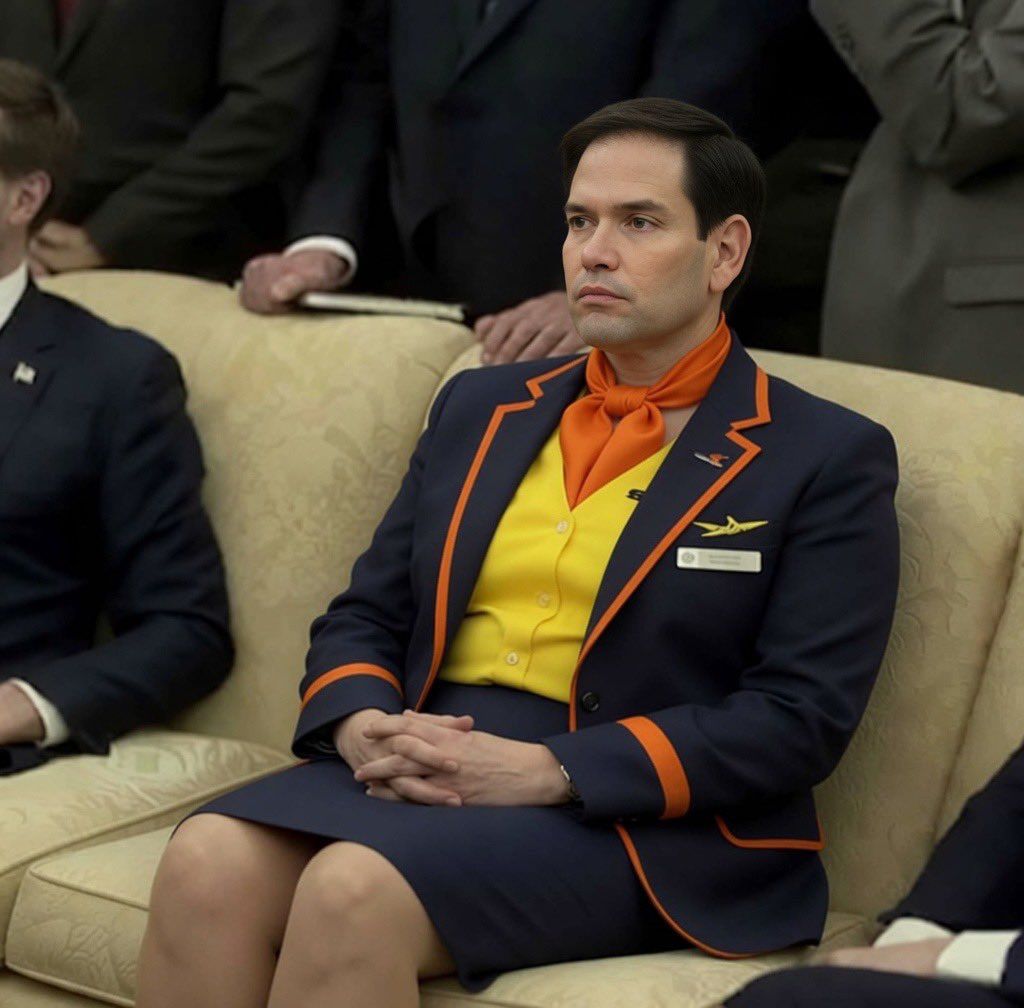
For a time, Spirit's business strategy of ultra low ticket prices — while replicating the feeling of riding on a crowded city bus in the air — was working. Despite consumer complaints about the airline, Spirit seemed to be jetting ahead of the legacy airlines.
and
Seeing budget-conscious customers fly away from their nicer passenger experiences, legacy airlines were forced by the budget airlines to change course. And so they too started throwing creature comforts out the window for passengers not willing to pay for them. This way they could charge a lower headline ticket price on online search engines and compete with the scrappy airlines for price-sensitive customers. During the 2010s, Delta and other legacy carriers began taking unbundling to the next level, and they introduced " basic economy fares that allowed the airlines to compete even more aggressively with budget carriers on price," Harteveldt says.
Basic economy mimics the bare-bones experience of budget airlines for their cheapest fares — offering joys like less legroom, no seat selection, no free food or beverages, and overall travel experience that could be described as "character building."
But the legacy airlines did more than just copy the strategy of budget airlines to appeal to budget-conscious travelers.
Severin Borenstein, an economist at the UC Berkeley Haas School of Business, says the large legacy carriers have leveraged their market dominance to soar above the smaller budget carriers. With bigger fleets and a sprawling network of flights around the globe, the big legacy carriers were able to devise more desirable loyalty programs. Think like co-branded credit cards, corporate partnerships, and enhanced frequent flyer programs.
and
In recent years, richer Americans, benefiting from surging stock and other asset markets, have been spending freely — including on travel — while more price-sensitive travelers have pulled back.
High inflation, higher interest rates, a cooling labor market, and growing inequality have been reshaping American spending patterns, and it's been hurting all sorts of businesses that cater to low- and middle-income Americans. For example, Dollar General has struggled as their core consumers spend less.
-
The first call came to Bob Allen’s phone at 6 p.m. ET on a Friday. The message: Get the repo men ready.
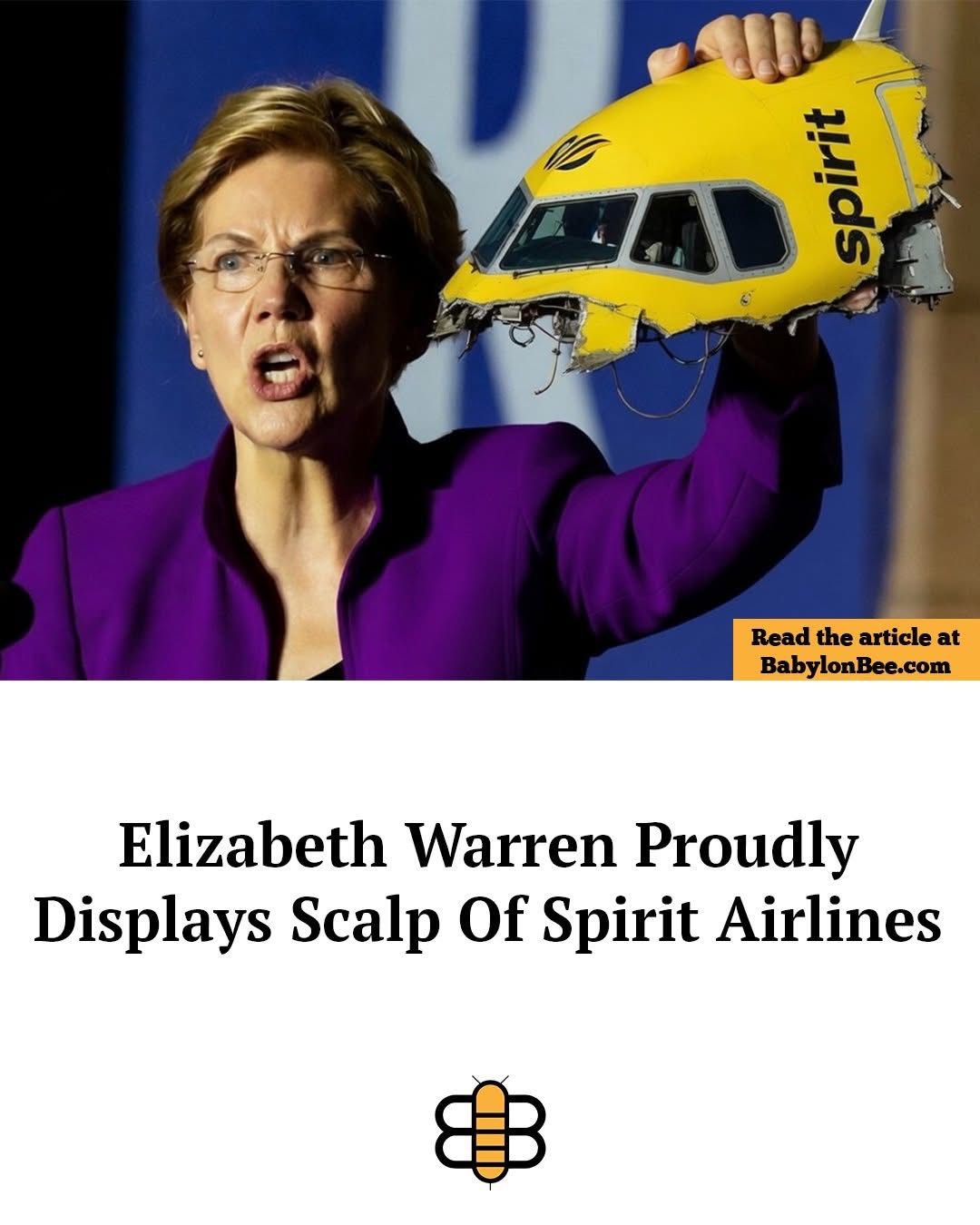
Spirit Airlines was still in operation and planes were in the air. But the aircraft leasing firms that own dozens of its bright yellow jets were getting anxious as Spirit barreled toward liquidation. They wanted their planes back.
“I had six hours to find 20 pilots,” Allen said.
Nomadic Aviation Group, his company, had been standing by for months as Spirit teetered closer to the brink. Allen and co-founder Steve Giordano quickly assembled a roster of pilots, most of whom had worked for Spirit. They made a WhatsApp group, which swelled to 40 pilots. One had just landed.
“He said, ‘can I fly in shorts?’” Giordano recalled. Not a problem. “We generally go khakis and polos, but you know, you’ve got to do what you’ve got to do,” he told him.
By 9 a.m. the next day, with Spirit’s death now official, they were ready to go. Pilots had fanned out to airports in South Florida, Charlotte, Houston and Columbus, Ohio, to go pick up the stranded jets. Some were still at the gates where they’d parked after their final flights.
https://www.wsj.com/business/airlines/spirit-airlines-jets-liquidation-repo-men-5c44a46f





Hello! It looks like you're interested in this conversation, but you don't have an account yet.
Getting fed up of having to scroll through the same posts each visit? When you register for an account, you'll always come back to exactly where you were before, and choose to be notified of new replies (either via email, or push notification). You'll also be able to save bookmarks and upvote posts to show your appreciation to other community members.
With your input, this post could be even better 💗
Register Login