What are you reading now?
-
 https://m.media-amazon.com/images/I/A1NQz37O-rL._SY522_.jpg
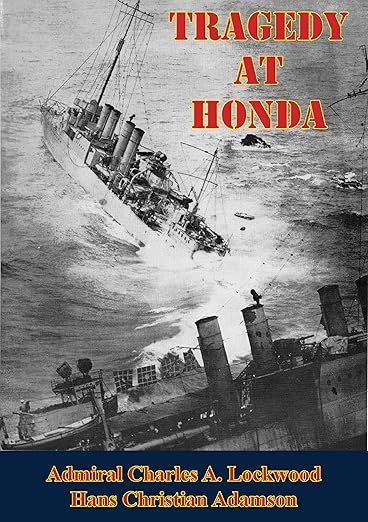
This is a story I never knew. The worst naval mishap in American history. 1923. Seven US destroyers crashed into the California coast on a foggy night. Because they were all folllowing the lead ship which made an error in navigation and smashed at full speed into a rocky coast, and one after the other they next ones came flying in.
-
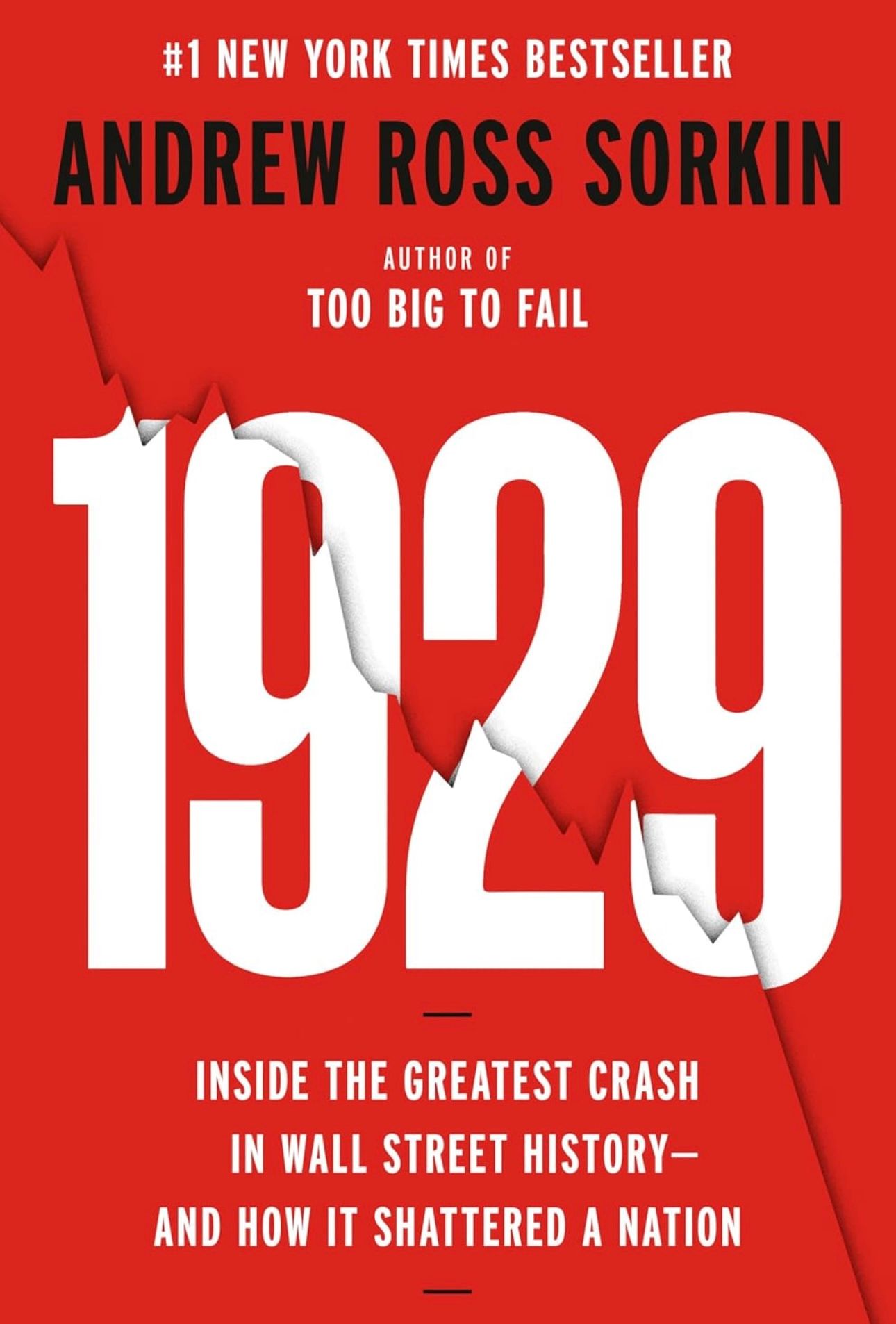
I recently finished 1929 by Andrew Ross Sorkin. A great, relatively short book (compared to what I usually read). It tells the story of the run up to and aftermath of the 29 crash. Told as a narrative focused on a dozen or so key characters. Doesn’t cover the whole depression, just the crash and subsequent prosecutions and hearings, etc culminating in Glass-Steagle. Great read.
-
I only just yesterday finished Chernow’s Mark Twain. While I liked the book and was never really tempted to put it down, it was definitely an endurance test. 1200 pages. I listened and the narration was 44 hours. I think they would do well to create an abridged version.
Still a fascinating man and a fascinating life.
-
I only just yesterday finished Chernow’s Mark Twain. While I liked the book and was never really tempted to put it down, it was definitely an endurance test. 1200 pages. I listened and the narration was 44 hours. I think they would do well to create an abridged version.
Still a fascinating man and a fascinating life.
@jon-nyc said in What are you reading now?:
I only just yesterday finished Chernow’s Mark Twain. While I liked the book and was never really tempted to put it down, it was definitely an endurance test. 1200 pages. I listened and the narration was 44 hours. I think they would do well to create an abridged version.
Still a fascinating man and a fascinating life.
I read/lillstened to that book as well - great listen - but you're right, lonnng.
-
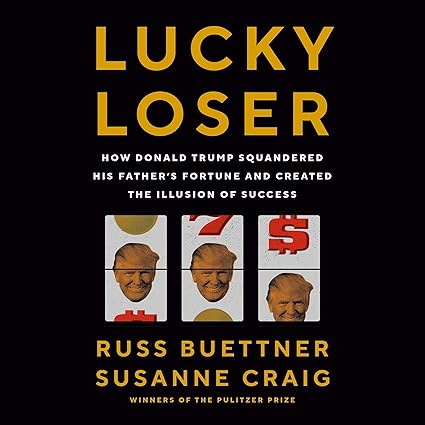
Very interesting book. I highly recommend, regardless of one's political persuasion as it provides a pretty decent view of how DJT got to where he is today. It spends a decent amount of time on DJT's father and how he grew the business. Donald clearly effectively leveraged his father's connections, influence and contacts to get his start. Most of us have lived through those days - so it's revisitng territory we may have heard about back in the day - but with more detail on actual vs. reality. Trump's a great bluffer and salesman. It brings me back to the quote from Bill Gates and what he thought his own most essential skill for success - and his answer, "the ability to sell an idea."
-
Just finished kind of an "academic" book - Germany 1923
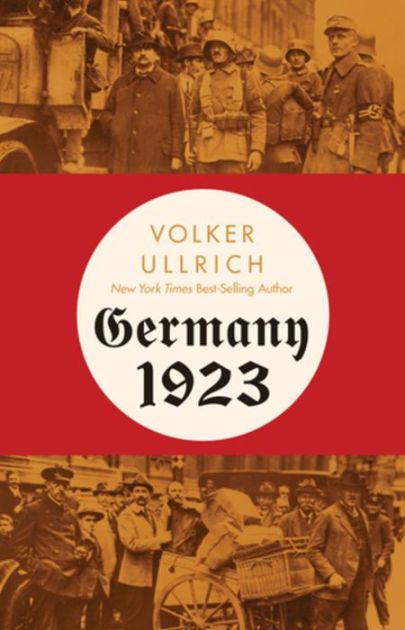
Interesting, but also kind of a hard read for me. Not surprise, but it goes into depth about 1923 Germany (and a little bit of the year before and after) and some of the causes for the problems they had in economics, politics, etc.
As I said, and interesting book about that period of history and gave me a bit of background on that part of the world in that period of time.
Glad I read it, but probably will not read it again. LOL
-
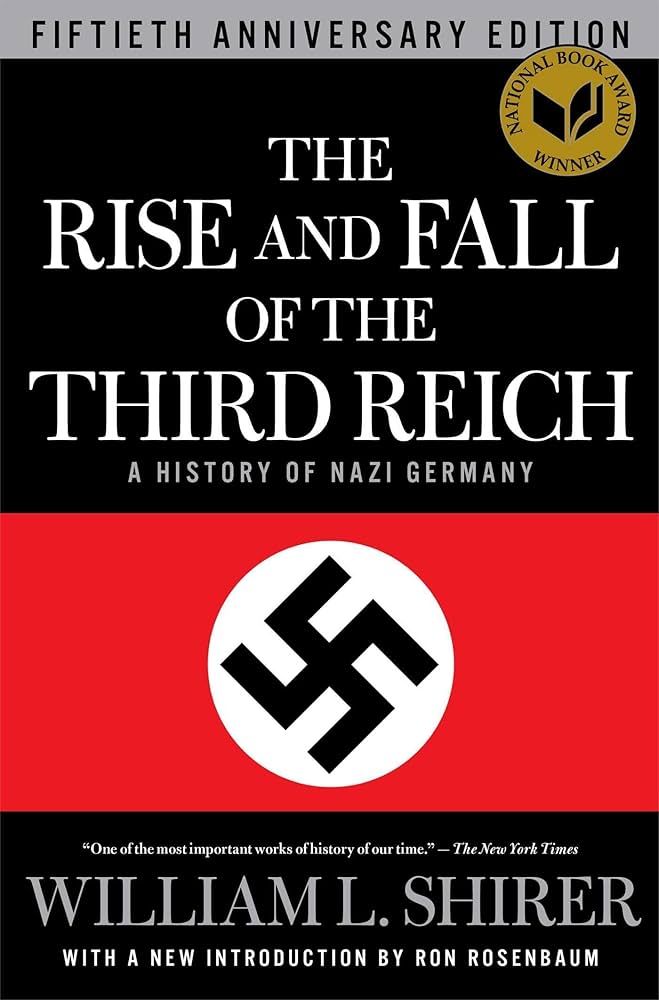
Interesting. My bedside read is a very academic book called The Nazi Seizure of Power that goes into great detail of how a single town (Northeim) got Nazified. Down to what local personalities, businesses, newspapers, etc did at the end of the republic through the transition and terror and finally through the end of the regime. It was written within 15-20 years of the war’s end and relies on months of local interviews as well as archives.
-
@jon-nyc It was interesting to read about the "hyper inflation" and how incredibly bad it was. Prices were initially changed monthly, then weekly, and then hourly. There was a story about how a diner went to a restaurant, and when they got the bill, it was like twice what they thought. They complained, and the waiter asked what time they arrived, and gave them that price. LOL
I think I mentioned before that I knew a guy who was in Brazil during the early 1990's when they had a similar (but not as bad) inflation. He was with TECO (Taiwan Economic and Cooperation Office) and they would regularly have to carry in large amounts of cash (US$) as most places stopped accepting credit cards as the period of time between charging and getting reimbursed meant that their money was worth so much less. When they would go buy something, the money would be changed right before purchasing anything so as to get the current "best" rate.
-
A friend of mine lived in Argentina during their hyperinflation. Grocery stores would announce new prices on a loud speaker throughout the day. He remembers seeing a woman crying while putting back some groceries she could no longer afford after the latest announcement.
-
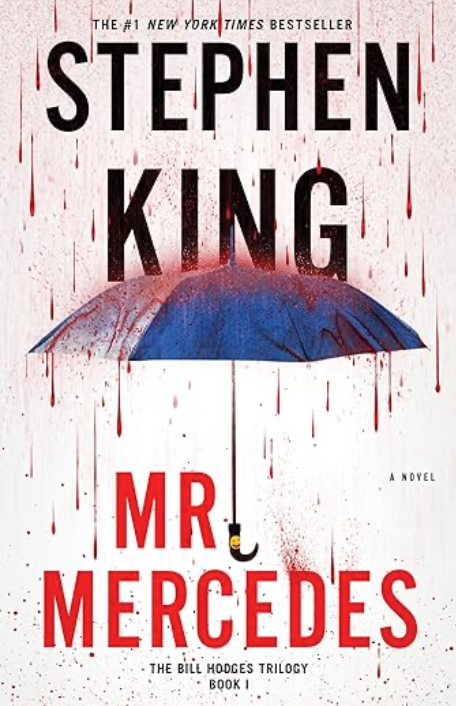
I’ve read the whole series. In general I like king, not because I’m a horror fan, I’m not, but I find his literary style so accessible, readable. Just a great story teller.
-
When I was in my late teens and 20's I read everything King wrote as soon as it came out. I absolutely love his storytelling, and his description of characters. Now I read him occasionally. I might give that one a go.
-
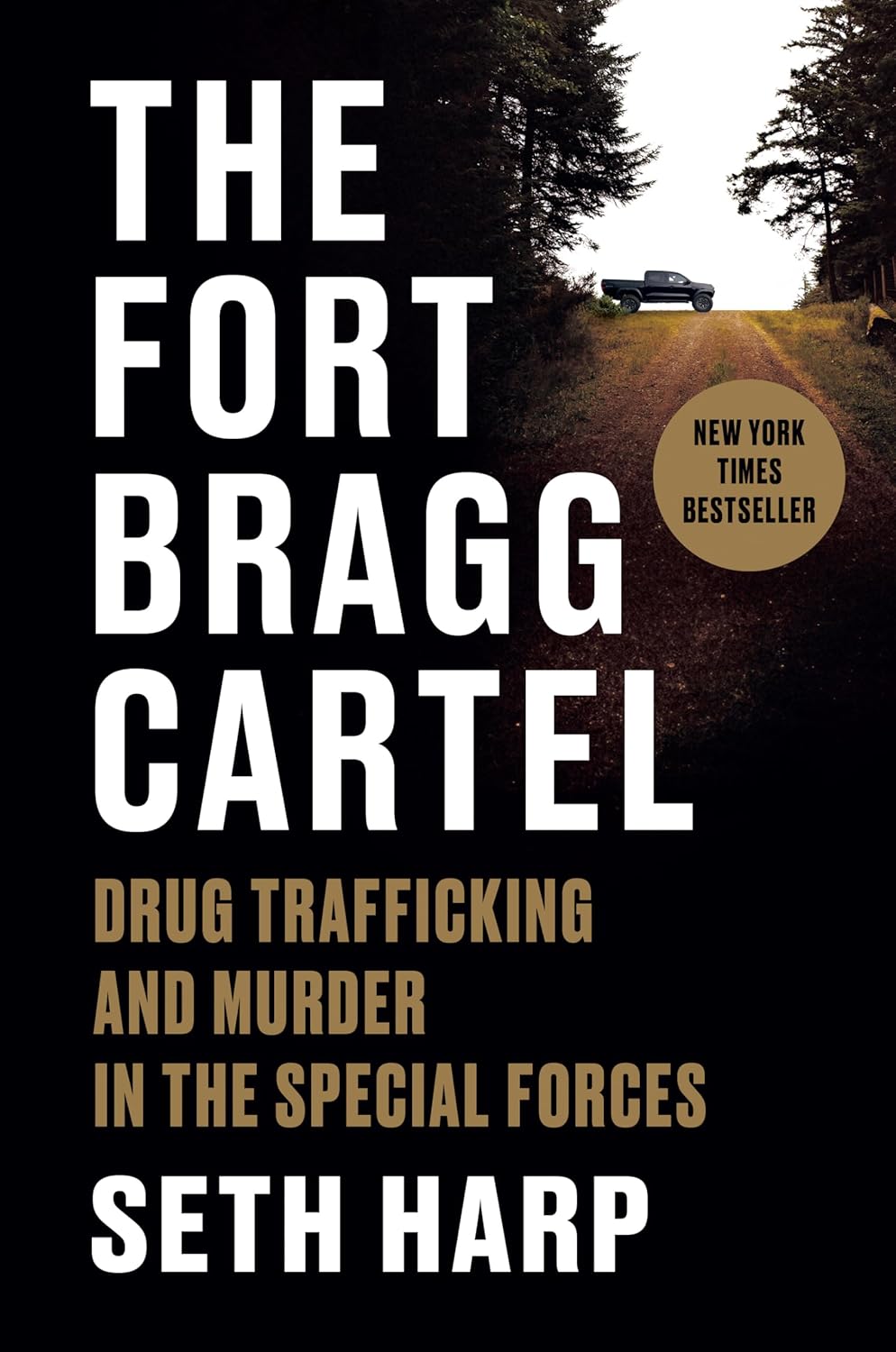
Quite an interesting book. The guy is an equal opportunity cynic on who is at fault; slams pretty much every administration in the 2000's. Soldiers get addicted to drugs (both prescribed and illegal) and alcohol to keep them energized. Then they need other drugs to help numb the pain from the things they see and do.
Focusing on Fort Bragg, N.C., home to Delta Force and other elite military units, Harp uncovers a culture steeped in drug trafficking, weapons theft, and cover-ups. Drawing on extensive interviews and documentation, Harp alleges that soldiers returning to Fort Bragg from Afghanistan smuggled opioids and other narcotics into the U.S., sometimes in collaboration with Mexican cartels, and engaged in reckless, often violent behavior on the base—much of it fueled by substance abuse—that the military swept under the rug. A detailed history of the Army's entanglement with Afghanistan's opium trade and harrowing accounts of drug-fueled parties at Fort Bragg full of racist behavior frame Harp's discovery of a shocking number of deaths on the base: 109 from 2020 to 2021 alone, many of them unexplained. Harp's investigative rigor and visceral storytelling make this a disturbing must-read for anyone seeking to understand the full cost of America's overseas conflicts.
It was a good companion to the book I read about the drug trade in the Gold Triangle in Myanmar.
https://nodebb.the-new-coffee-room.club/topic/95/what-are-you-reading-now/777?_=1774917935468









Hello! It looks like you're interested in this conversation, but you don't have an account yet.
Getting fed up of having to scroll through the same posts each visit? When you register for an account, you'll always come back to exactly where you were before, and choose to be notified of new replies (either via email, or push notification). You'll also be able to save bookmarks and upvote posts to show your appreciation to other community members.
With your input, this post could be even better 💗
Register Login